Water Damage Restoration Leawood, KS
Water in a finished basement, a split pipe after a hard freeze or a sewer backup at the floor drain: the restoration team extracts it, dries the structure and logs every reading.
(888) 902-1696Start the basement extraction, day or nightShut off the main valve if it is safe, stay clear of outlets near the water, then call.

What to do the moment water shows up indoors
- Stop the source
Close the main shutoff, usually near the water meter in the basement, or the valve on the fixture that failed.
- Cut power to wet areas
If water touches outlets or cords, shut that circuit off at the breaker, but only from dry footing.
- Check the floor drain
Water rising from a basement floor drain is likely sewage, so keep everyone and pets out of it.
- Photograph before moving anything
Take wide and close photos of the water, the source and damaged items, because the claim file starts here.
- Call before it wicks
Water climbs drywall and soaks pad fast, and extraction that starts early costs less and saves more.
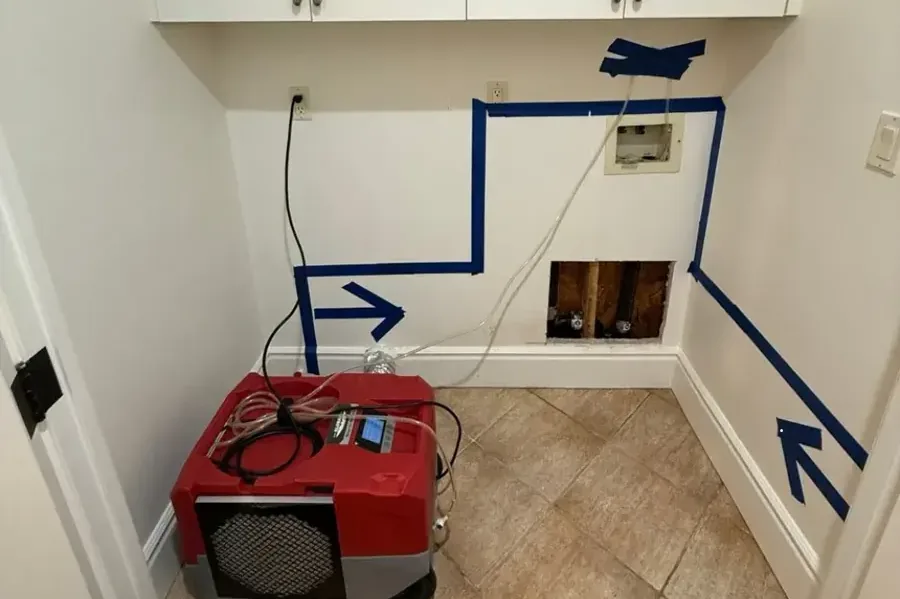
Water Damage Restoration Services in Leawood, KS
Water and sewage only, from the first gallon pulled off a basement floor to the last moisture reading on the framing, across every ZIP the response team covers.
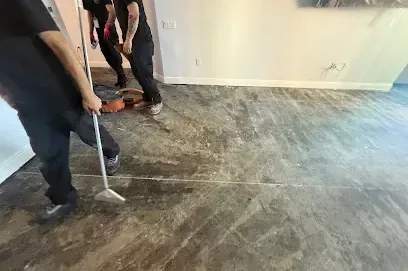
Water Extraction and Removal
Truck-mounted and portable extraction pulls standing water before it wicks into pad, drywall and framing.See the service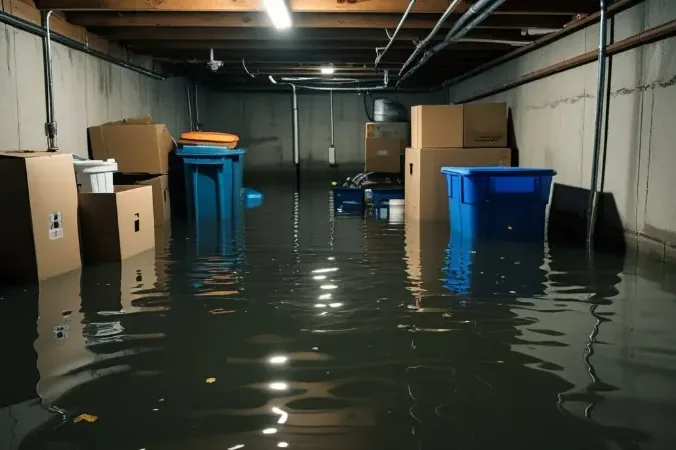
Basement Flooding Cleanup
Finished lower levels pumped out, wet carpet and pad lifted, and walls and framing dried in place.See the service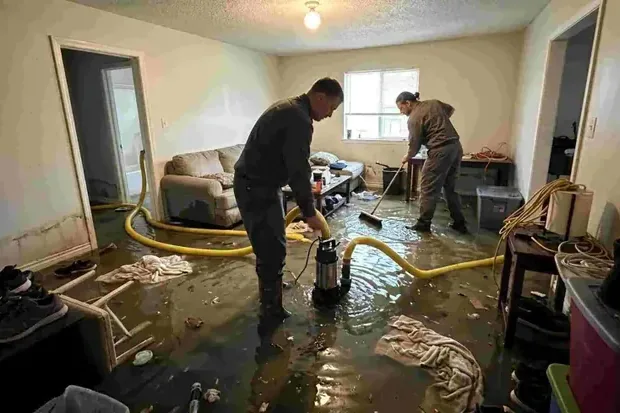
Sump Pump Failure Cleanup
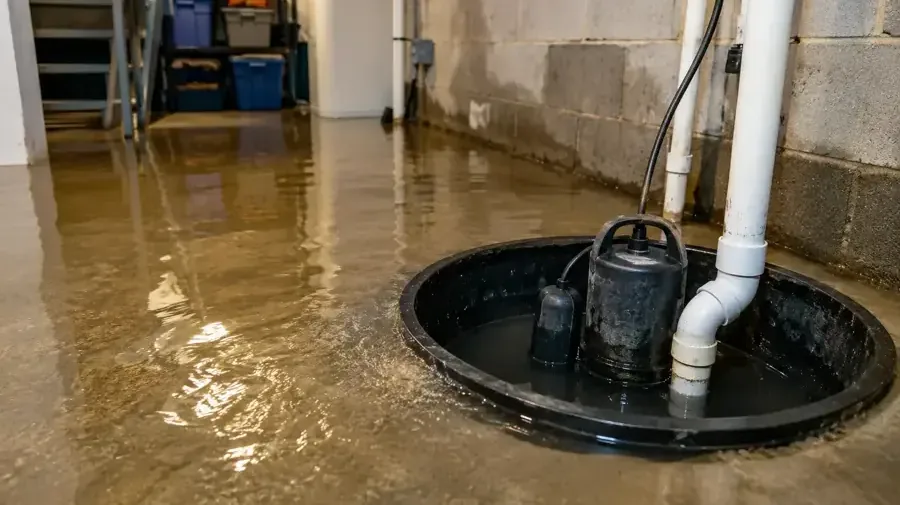
When the pump quits in a storm and the pit overflows, the water is extracted and the basement dried.See the service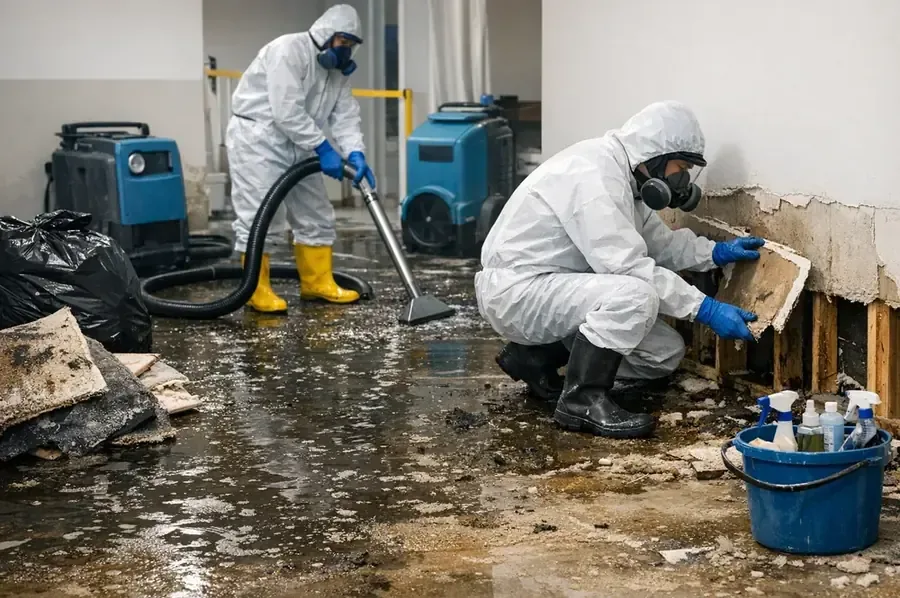
Sewage Backup Cleanup
Floor drain and toilet backups treated as Category 3 from the start, with porous materials removed.See the service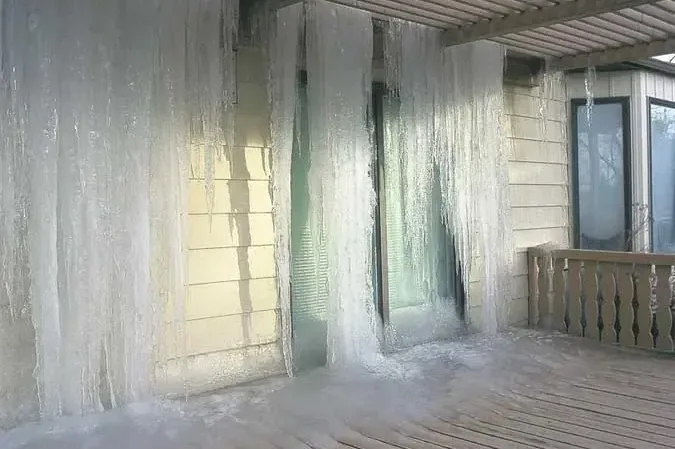
Frozen Pipe Water Damage
Pipes that freeze in exterior walls and unheated spaces split, and the wet cavities get opened and dried.See the service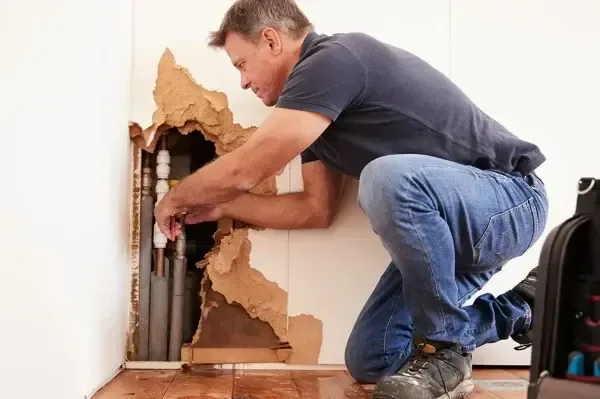
Burst Pipe Water Damage
Supply failures inside walls and ceilings traced by moisture mapping, extracted and dried to readings.See the service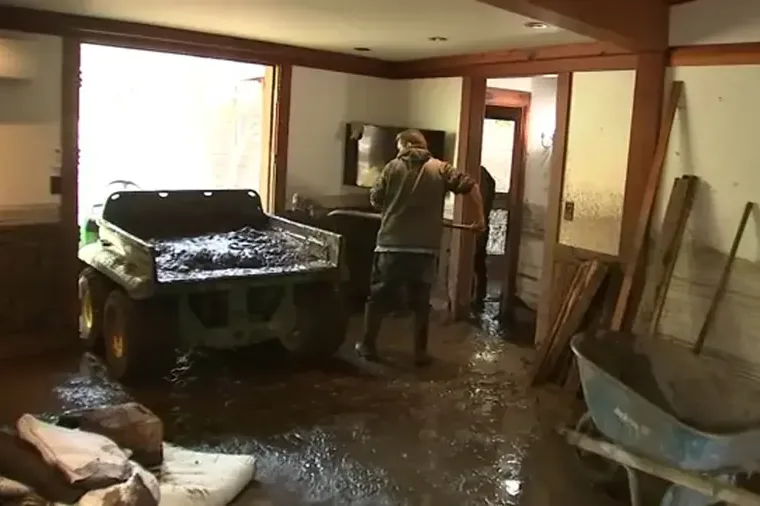
Storm and Flash Flood Cleanup
Runoff through window wells and doorways and wind-driven rain extracted, cleaned and dried.See the service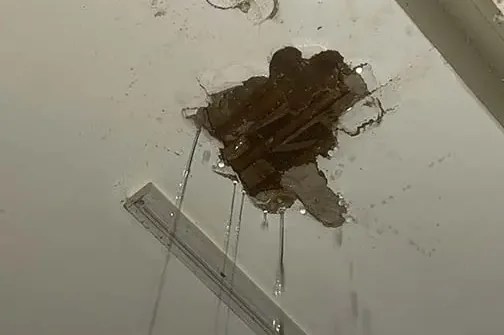
Roof Leak Water Damage
Hail and wind leaks at flashing, valleys and vents traced, wet attic insulation pulled, ceilings dried.See the service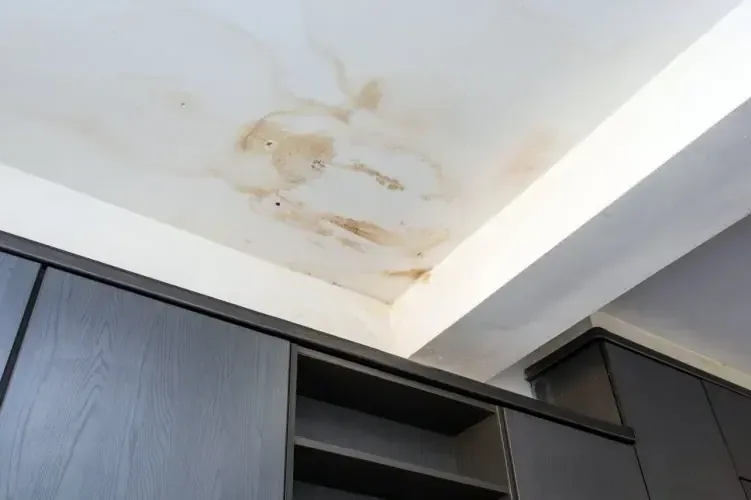
Ceiling Leak Water Damage
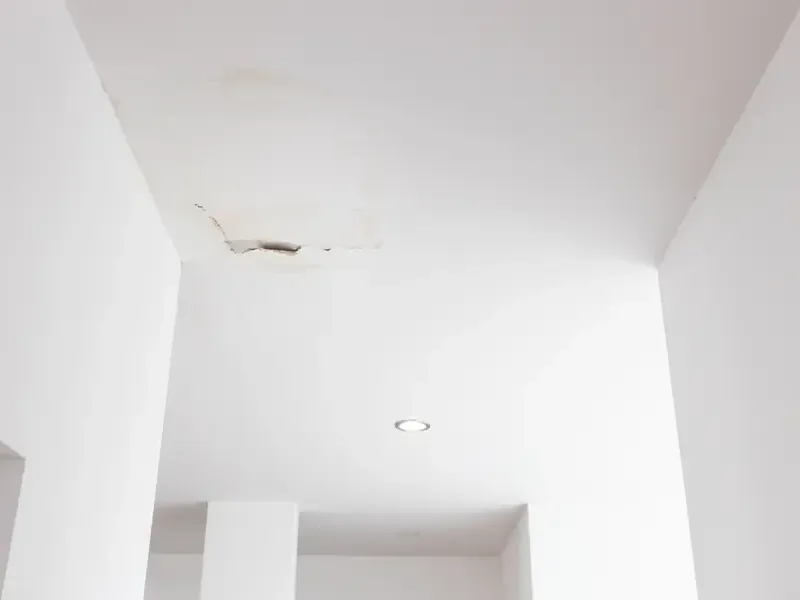
Bathroom and supply leaks above a ceiling found with thermal imaging, drywall opened and joist bays dried.See the service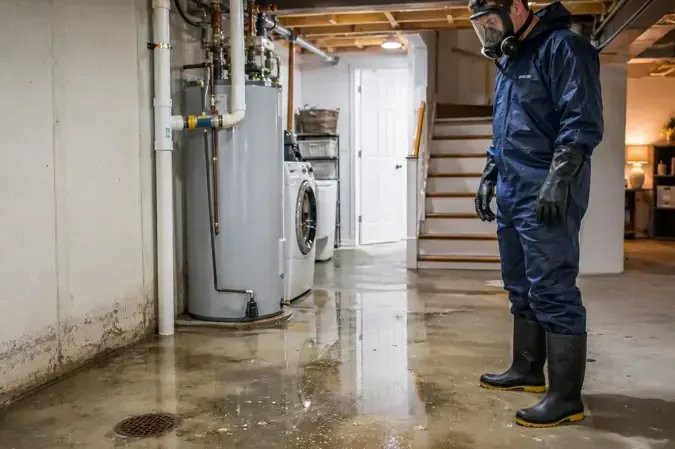
Water Heater Leak Cleanup
Basement and garage tank failures extracted before drywall, carpet and stored boxes soak through.See the service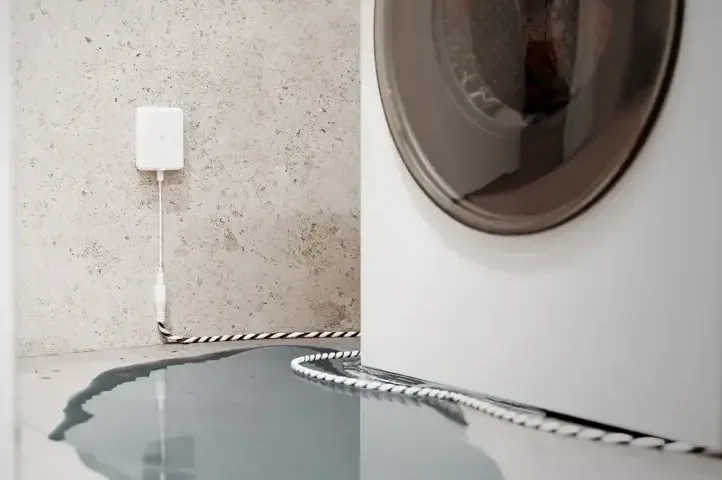
Appliance Leak Water Damage
Washer hoses, dishwashers, ice makers and toilet supplies that leak under floors and into cabinets.See the service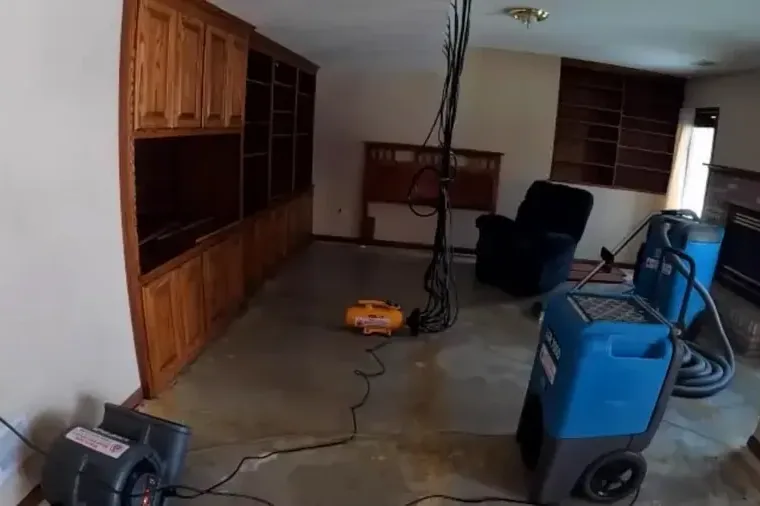
Structural Drying and Dehumidification
Framing, subfloor, hardwood and concrete dried until readings sit within 2 to 4 points of dry.See the serviceHow the response team works on Johnson County homes
Every job is run on the IICRC S500 standard: moisture mapped first, equipment sized to the class of loss, and nothing pulled until the readings say dry.
Dispatch around the clock
Active water is treated as urgent at any hour, holidays included, because a finished lower level soaks through faster than most owners expect.
Moisture mapping first
Pin and pinless meters and thermal imaging find where water traveled under carpet, behind baseboards and into the framing before equipment goes down.
Claim-ready documentation
Timestamped photos, daily psychrometric logs and a moisture map go into the file an adjuster reads, along with the category and class of loss.
Kansas basement know-how
Sump pits, floor drains, sewer laterals and pipes in exterior walls lead the list of failures in postwar Johnson County homes.
Why the source of the water changes the cleanup
Clean supply water
A burst supply pipe, a water heater tank or a washer fill hose starts as Category 1. Caught early, carpet and drywall can often be dried in place.
Burst pipe water damageGray water
Dishwasher and washer discharge and an overflowing sump pit usually rate Category 2. Pad comes out and surfaces get an antimicrobial treatment.
Sump pump failure cleanupBlack water
Sewage from a floor drain or toilet and storm runoff are Category 3. Porous materials the water touched are removed, not dried.
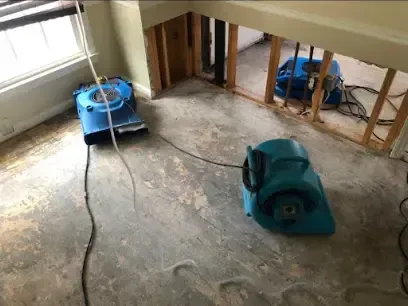
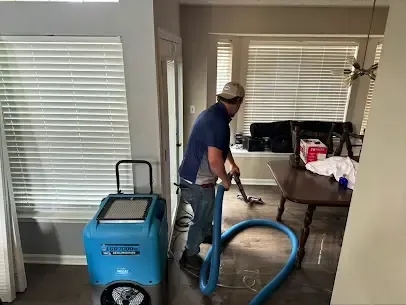
Sewage backup cleanupWhat extraction and structural drying look like inside a home
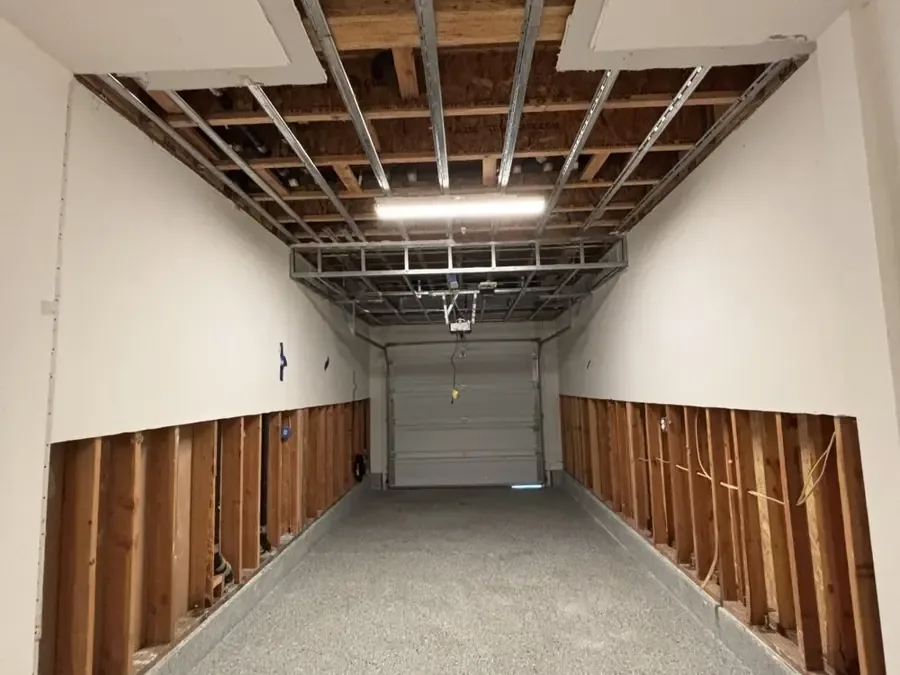
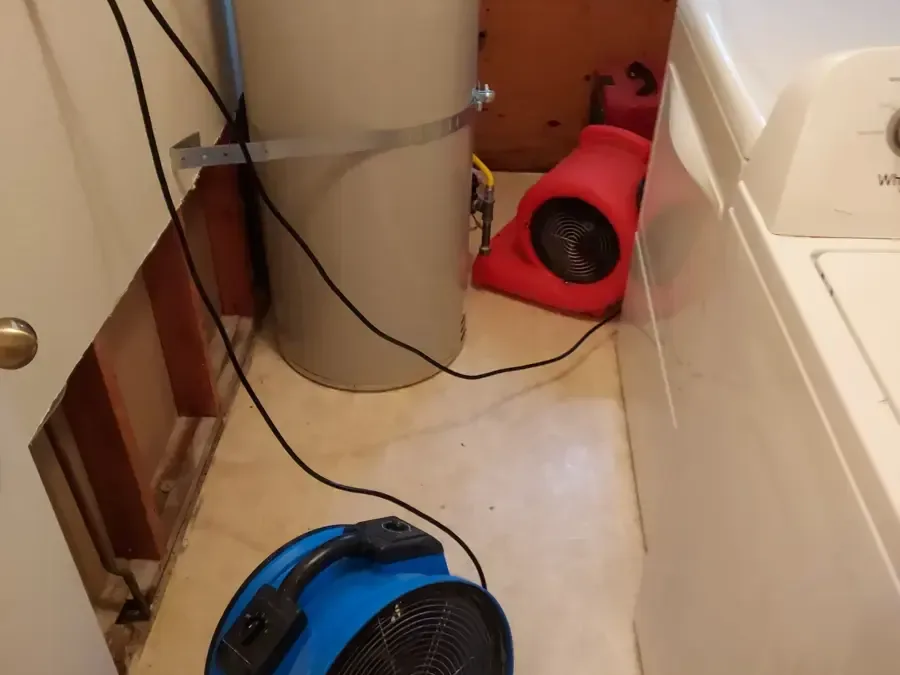
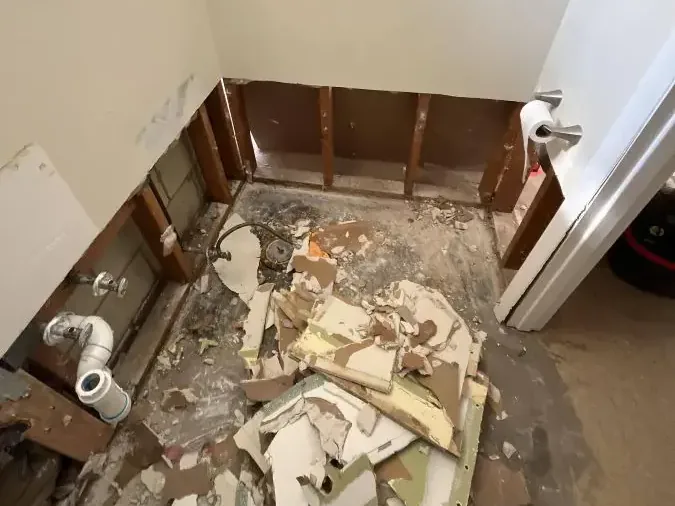
What does water damage restoration cost in Leawood, KS?
Most water damage restoration jobs here run between $1,200 and $12,000 or more. Category of water, square footage, material class and how fast drying started move the number most, and finished basements sit at the higher end.
One room, clean water
- Category 1 supply water
- Extraction and drying in place
- Three to four days of readings
Finished basement, clean water
- Carpet, pad and lower drywall
- Several rooms or a full lower level
- LGR dehumidifiers and air movers
Sewage or runoff downstairs
- Category 3 or multiple floors
- Removal and antimicrobial
- Containment and full structural drying
Ranges are typical figures, not a quote. The walkthrough and moisture map set the real scope. For a closer number first, try the water damage cost calculator.
Dry means a reading, not a feeling
Surfaces feel dry long before framing, subfloor and drywall cores are. The drying team compares wet materials against a dry reference in the same home and keeps equipment running until they match.
Inspect and map
The tech traces the source, rates the category and class, and marks the wet edge on walls and floors with meters and thermal imaging.
Extract
Truck-mounted or portable extraction pulls standing water from carpet, pad and hard floors, since removing liquid is far faster than evaporating it.
Dry and monitor
Air movers and LGR dehumidifiers run inside a controlled drying zone, and readings are logged every day to adjust the setup.
Verify dry
Materials must read within 2 to 4 points of the dry reference before equipment leaves, so rebuild starts on sound framing.
What goes into the claim file
Adjusters decide claims on documentation. The restoration team builds the file as the work happens, so the record matches the damage before anything is torn out.
- A moisture map showing where water traveled
- Daily psychrometric logs of temperature and humidity
- Timestamped photos taken before any demolition
- The category and class of the loss
- A line-item scope listing each task and material
Check your own policy
Many Kansas homeowners policies cover sudden and accidental water, such as a burst pipe or a failed water heater, after the deductible. Gradual leaks are treated differently.
Surface flooding usually needs a separate flood policy, and sewer or sump backup often needs an endorsement. Read your declarations page or ask your agent.
One call reaches the response team, any hour, any day
Calls about active water are treated as urgent at night, on weekends and on holidays. The first questions cover the source, the rooms involved and whether the main is off.
A crew then heads out with extraction gear, meters and drying equipment.
(888) 902-1696Report water in the lower level right nowWater damage restoration across Leawood and nearby Johnson County
Neighborhoods and corridors
Nearby cities
Why Leawood homes take on water
The city grew out of a Kroh Brothers housing development and incorporated on November 30, 1948. Many homes pair a basement with plumbing that has been inside the walls for decades.
- Postwar plumbing. The first subdivisions, such as Leawood Estates, date to the 1940s. Homes of that era often still carry galvanized supply pipe or cast iron drains that corrode from the inside and fail in walls and basement ceilings.
- Sewer backups in heavy rain. Some Johnson County homeowners see basement flooding when extremely heavy rain backs up the sewer system. Water rising from a floor drain is treated as Category 3 from the start.
- Hard freezes. Kansas winters bring stretches of subfreezing nights. Pipes in exterior walls, garages and the runs feeding outdoor hose bibs freeze, split and often leak only after the thaw.
- Severe storms. Spring and summer thunderstorms bring hail, damaging wind and bursts of heavy rain across northeast Kansas, and tornadoes and damaging winds struck the region on May 18, 2026. Hail-cracked shingles and torn flashing let rain into attics.
- Sump pumps and window wells. Many basements depend on a sump pump. A tripped breaker, a stuck float or a power cut during a storm lets the pit overflow, and clogged window wells send runoff through the glass.
July 25, 2025
A 24-inch forcemain broke near 87th Street and Mission Road, and county health officials told residents to avoid contact with standing water.
Water damage questions from Leawood homeowners
Water on the floor right now?
Shut off the main, keep clear of outlets near the water and call. Extraction that starts early keeps a wet room from becoming a rebuild.
(888) 902-1696 Get the extraction crew movingHow fast does help arrive for water damage in Leawood?
Active water is treated as urgent at any hour, including nights, weekends and holidays. Exact arrival depends on where the nearest crew is and on road conditions, and an arrival window is shared during the first call.
Does homeowners insurance cover water damage?
Many policies cover sudden and accidental water, like a burst pipe or failed water heater, after the deductible. Surface flooding usually needs a flood policy, and sewer or sump backup often needs an endorsement. Coverage depends on your policy, so check with your insurer.
What causes most water damage in Leawood homes?
Failed sump pumps during heavy rain, sewer backups through basement floor drains, pipes that freeze in exterior walls, water heater tanks that rust through and hail-damaged roofs lead the list. Older homes add corroded galvanized supply pipe.
How long does it take to dry a flooded basement?
A contained Category 1 loss caught early often dries in three to five days. Finished basements with carpet, pad and drywall, or concrete that soaked for days, can take longer. Equipment stays until readings say dry.
What is the IICRC S500 standard?
IICRC S500 is the industry standard for professional water damage restoration. It covers how to rate the category and class of loss, how to set up drying equipment and how to confirm materials are dry before work ends.
What should I do before the crew gets there?
Stop the source at the main shutoff, stay out of water near outlets, photograph everything and move rugs and furniture off wet floors if it is safe. Do not use a household vacuum on standing water.
When does wet drywall have to come out?
Drywall soaked by clean water and caught quickly can often be dried in place through small, controlled openings. Drywall touched by sewage or flood runoff is removed, along with the wet insulation behind it.
Why is a sewage backup handled differently?
Sewage is Category 3 water that carries bacteria and viruses. Crews wear PPE, set containment, remove porous materials the water touched and treat surfaces with an EPA-registered antimicrobial before drying begins.
How is the cost of water damage restoration figured?
The bill is built from the category of water, the square footage affected, the class of materials and how long drying runs. Removal, disposal and containment add items to the scope when the water is contaminated.
Can a finished basement be saved after a sump pump failure?
Often, if extraction starts early and the water is Category 1 or 2. Carpet pad usually comes out, while framing and lower drywall can often be dried in place with air movers and dehumidifiers, confirmed by meter readings.
Water spreading through a Leawood basement? Get the extraction started now.
The response team pulls the water, dries the structure to readings and builds the claim file.
(888) 902-1696Start the Leawood dry-out now